Best Women's Zero Drop Hiking Boots 2026
Zero drop hiking boots let you feel the trail while protecting your feet from rocks and roots. They build ankle strength rather than relying on stiff ankle support. Hikers who switch to minimal footwear often report better balance, less knee pain on descents, and a deeper connection to the terrain they're walking.
Boot vs. Shoe
Hiking boots provide ankle coverage for protection from debris, water, and brush. They don't prevent ankle rolls — strong ankles do. Boots add weight (typically 8-16oz more per pair than trail shoes) but earn their place in cold weather, deep mud, rocky scrambles, and bushwhacking through dense vegetation. If you're carrying a heavy pack (30+ pounds), the extra ankle coverage reduces debris entry and helps manage the additional load.
Trail shoes are lighter and more flexible. Many experienced hikers prefer them for all but the most rugged terrain. They dry faster, weigh less, and let your feet move more naturally. For day hikes, fastpacking, and three-season trail walking, a good trail shoe handles 90% of conditions. The weight savings compounds over long distances.
When to choose boots: Winter hiking, mud season, off-trail scrambling, multi-day trips with heavy loads, and any terrain where ankle coverage keeps debris out. When to choose shoes: Day hikes, maintained trails, warm weather, ultralight backpacking, and any trip where weight and agility matter more than coverage.
Terrain Guide
Maintained trails and fire roads - Any barefoot trail shoe works. These surfaces are forgiving. Xero Mesa Trail and Vivobarefoot Primus Trail are excellent choices. Minimal tread is sufficient.
Rocky alpine terrain - Thicker soles (12-20mm) protect against sharp, angular rock. Some hikers prefer a shoe with a rock plate for extended boulder fields. Altra Lone Peak handles this well with moderate cushion. Boots like the Vivobarefoot Tracker add ankle protection against scree.
Mud and wet roots - Deep, widely-spaced lugs shed mud and grip slippery surfaces. Look for outsoles with 4-5mm lug depth. Vibram Megagrip and Continental rubber perform well when wet. Waterproof boots prevent soggy feet on muddy trails.
Desert and slickrock - Sticky rubber outsoles matter more than lug depth. Flat, high-friction soles grip sandstone better than aggressive tread patterns. Lighter shoes keep feet cooler in heat.
Snow and winter trails - Insulated boots with waterproof membranes. See our winter boots guide for dedicated options. Traction devices like microspikes supplement any boot on ice.
Top Hiking Boot Brands
Vivobarefoot Tracker - The most established barefoot hiking boot. Leather or vegan options with a firm grip outsole and ground-feel flexibility. Thermal lining available for cold weather. $230. The benchmark that other barefoot hiking boots are measured against.
Lems Boulder Boot - Popular vegan boot with good weather resistance. Waterproof version available. Lighter and more flexible than the Tracker with a comfortable all-day fit. $140-170. Good for hikers who want one boot for trails and daily wear.
Xero Ridgeway - Affordable option with solid traction. Lugged Vibram outsole grips loose and rocky terrain. Ankle-height with a secure lacing system. Around $150. Best value in the barefoot hiking boot category.
Xero Xcursion Fusion - Waterproof hiking boot with moderate stack height. More cushion than most barefoot boots, making it a good transition option for hikers coming from conventional footwear. $160.
Be Lenka Ranger - European brand with quality leather boots. Full-grain leather upper with a hand-stitched look. Comfortable for long days on trail with good arch space and toe room. $170-200.
Trail Shoe Options
Altra Lone Peak - Trail runner that doubles as a light hiker. Wide toe box, moderate cushion (25mm stack), and aggressive MaxTrac outsole. The most popular zero drop trail shoe on long-distance trails like the AT and PCT. $140.
Xero Mesa Trail - Minimal approach with excellent grip. Thin sole for maximum ground feel with a lugged tread pattern. For experienced barefoot hikers who want to feel every rock and root. Around $110.
Vivobarefoot Primus Trail - Ground-feel focused trail shoe with a thin, flexible sole and durable upper. Excellent proprioception on technical terrain. $140.
Tread Life and Replacement
Barefoot hiking shoes typically last 300-600 miles depending on terrain and sole hardness. Soft, grippy rubber wears faster than harder compounds. Rocky terrain eats outsoles faster than dirt trails. Replace shoes when lugs are worn smooth or the sole has compressed noticeably. Running in hiking shoes shortens their lifespan since the repetitive motion wears tread unevenly.
Break-In Period
Most barefoot hiking boots need 20-50 miles of break-in before long hikes. Leather boots benefit from conditioning before the first use. Wear new boots on several short hikes before committing to a full day or multi-day trip. Blisters from a new boot on mile 2 of a 15-mile day turn a good hike into a survival march.
Tips for Hiking in Minimal Footwear
- Trekking poles help on steep descents by reducing impact on feet and knees
- Start with shorter, easier hikes on familiar trails
- Your feet and ankles will strengthen over time. Expect 4-8 weeks of gradual adaptation.
- Pack slower initially — you're building new skills in foot placement and terrain reading
- Watch your step more carefully. Without thick cushion absorbing missteps, you'll learn to place feet deliberately.
Related Guides
42 Shoes

Altra
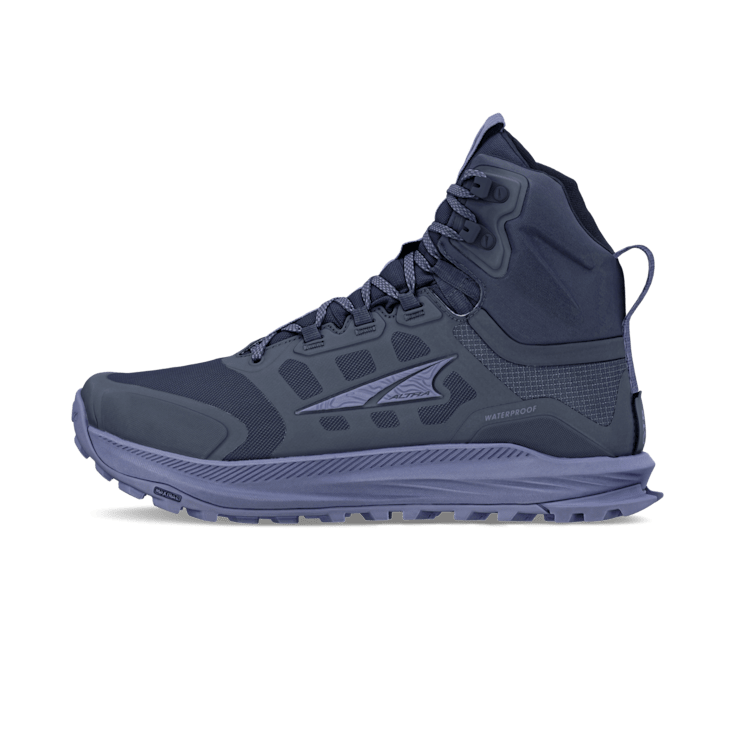
Women's Lone Peak 9 Waterproof Low
Altra
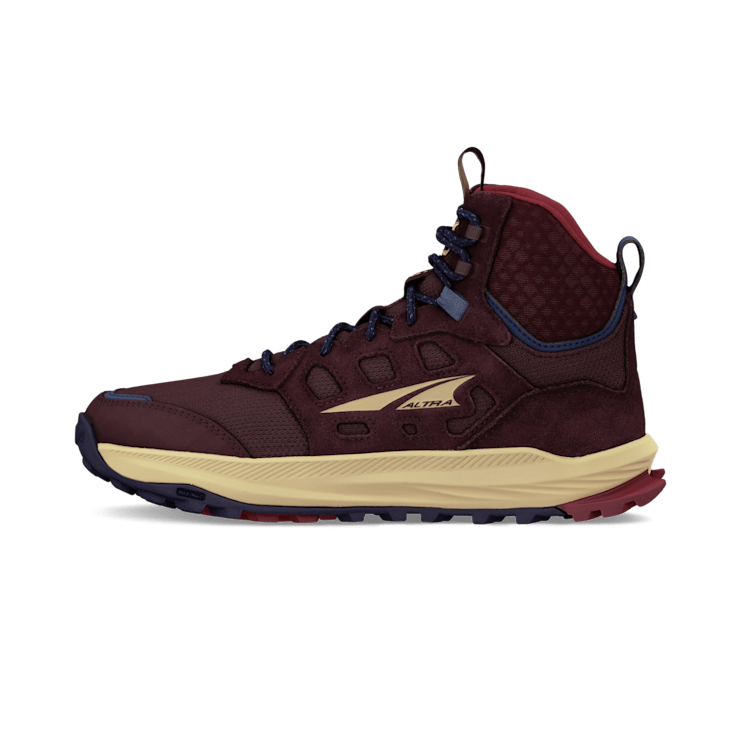
Women's Lone Peak 9 Waterproof Mid
Altra
Women's Lone Peak Hiker 3

Altra
Women's LP Alpine
Altra
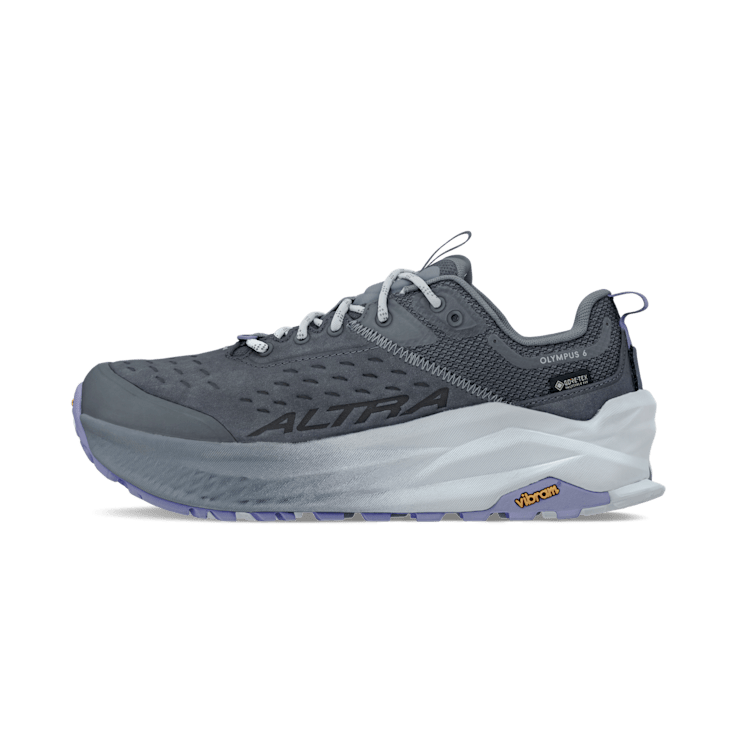
Women's Olympus 6 Hike Low GTX
Altra
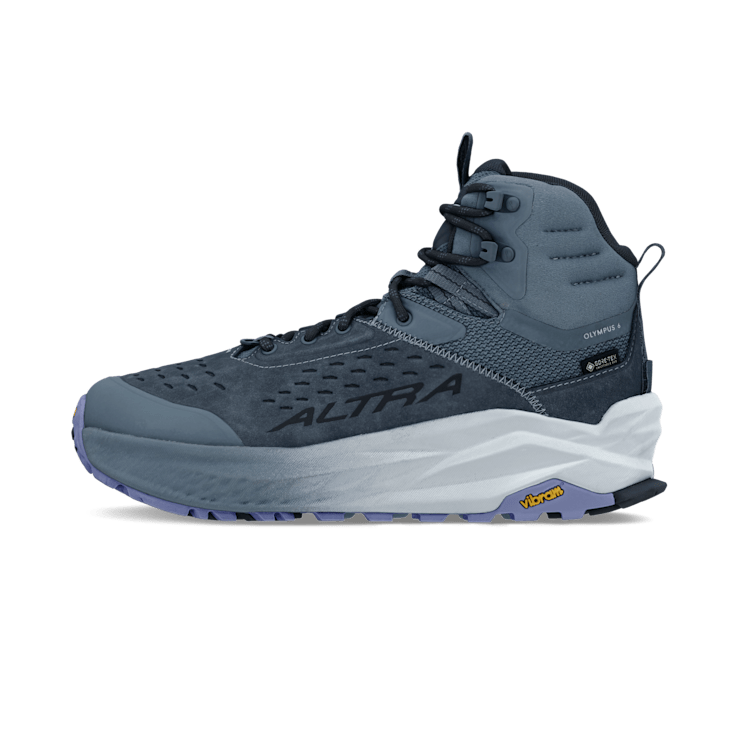
Women's Olympus 6 Hike Mid GTX

Altra
Women's Timp Hiker
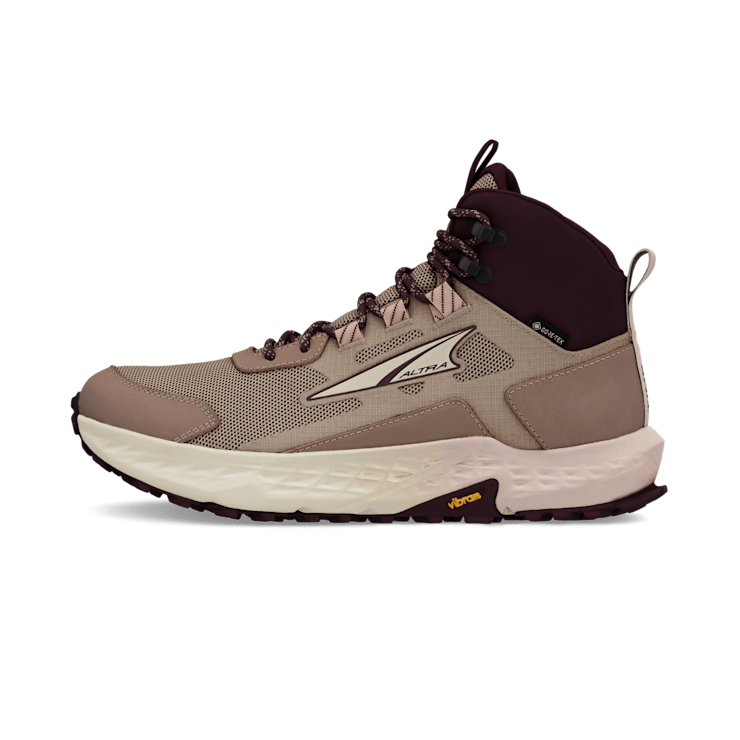
Altra
Women's Timp Hiker GTX

Freet Barefoot
Bootee 2

Freet Barefoot
Chamois

Freet Barefoot
Danum

Freet Barefoot
Feldom

Freet Barefoot
Feldom 2

Freet Barefoot
Feldom 3

Freet Barefoot
Howgill

Freet Barefoot
Impala

Freet Barefoot
Mudee 2

Freet Barefoot
Mudee L

Freet Barefoot
Mudee L2

Freet Barefoot
Selva

Freet Barefoot
Talus 3

Freet Barefoot
Tundra
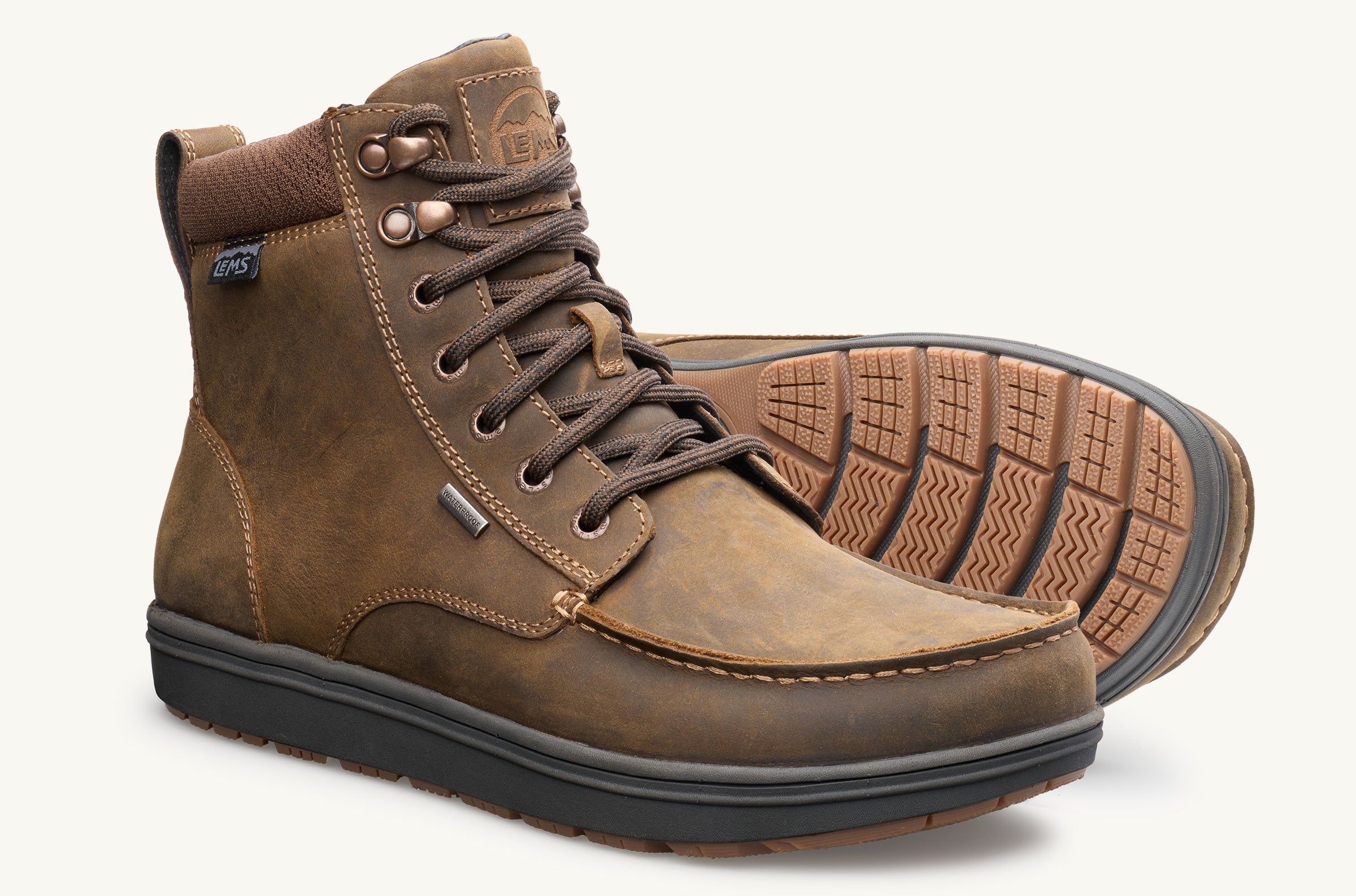
Lems Shoes
Lems Boulder Boot Grip Waterproof

Lems Shoes
Women's Boulder Boot

Lems Shoes
Women's Boulder Boot Leather

Lems Shoes
Women's Boulder Boot Mid Leather

Lems Shoes
Women's Boulder Boot Mid Vegan (Discontinued)

Lems Shoes
Women's Trail Blazer

Lems Shoes
Women's Trail Blazer Mid

Lems Shoes
Women's Trail Thrasher

Lems Shoes
Women's Trailhead
Softstar Shoes
Adult Switchback Boot II

Vivobarefoot
Vivobarefoot Tracker Forest ESC

Xero Shoes
Scrambler Trail Low WP - Women

Xero Shoes
Scrambler Trail Mid - Women

Xero Shoes
Scrambler Trail Mid WP - Women

ZAQQ
QUIQ Trail Black Vegan

ZAQQ
QUIQ Trail Blue

ZAQQ
QUIQ Trail Green

ZAQQ
QUIQ Trail Lightred

ZAQQ
ROQQ Trail Black

ZAQQ